LAVANCHA™ Intelligent EnergyAvailable 24×7. Nine LAVANCHA™ offerings, one platform — every layer of your energy stack, powered by LECOP.
Lavancha turns your facility into a self-optimizing power plant — rooftop solar, solar-wind hybrid, battery storage, AI dispatch, DC fast EV charging and audit-grade compliance reporting, engineered as one platform with a guaranteed sub-4-year payback — or ₹0 upfront.
Live energy twin · LAVANCHA Intelligence™DISPATCHING
--:-- local☀️ —🔋 ——
−82%
DG runtime avoided today
₹4.2/kWh
Blended cost now
1.9 t
CO₂ avoided today
Digital twin — illustrative, follows your local time. Your free audit models this from your real load data.
60-Second Savings Estimate
See your number before you see our proposal.
Pick your sector for a typical starting point, then adjust with four inputs from last month's electricity bill. The same engine that sizes our real systems returns your indicative savings, system size and payback — instantly, on both commercial paths.
Solar + ToD tariff savings, modelled on your load
Diesel elimination valued at ₹28/kWh all-in
Your LAVANCHA EaaS™ share shown alongside the CapEx payback
Free 2-week audit turns this into a guaranteed design
Lavancha Savings Engine · powered by LECOP
₹11.8L
Estimated annual savings
₹9.1L
Solar + tariff savings
₹2.7L
Diesel eliminated
3.2 yrs
Payback if you own it
63 kW · 50 kWh
Indicative system
Under LAVANCHA EaaS™ (₹0 upfront): you keep 70% ≈ ₹8.3L/yr from month one — no capital, no risk.
Your energy decision is already being made — by a regulator, a buyer, or an outage.
Where a legal intensity target, a customer's ESG audit or a tariff revision has already forced the decision, the only questions left are which system, how fast, and who pays. Pick the pressure you're under — every card shows the money and the mandate.
Tiruppur · Surat · Ludhiana · Coimbatore
CCTS-notified Jan 2026Buyer ESG · CBAM-adjacent
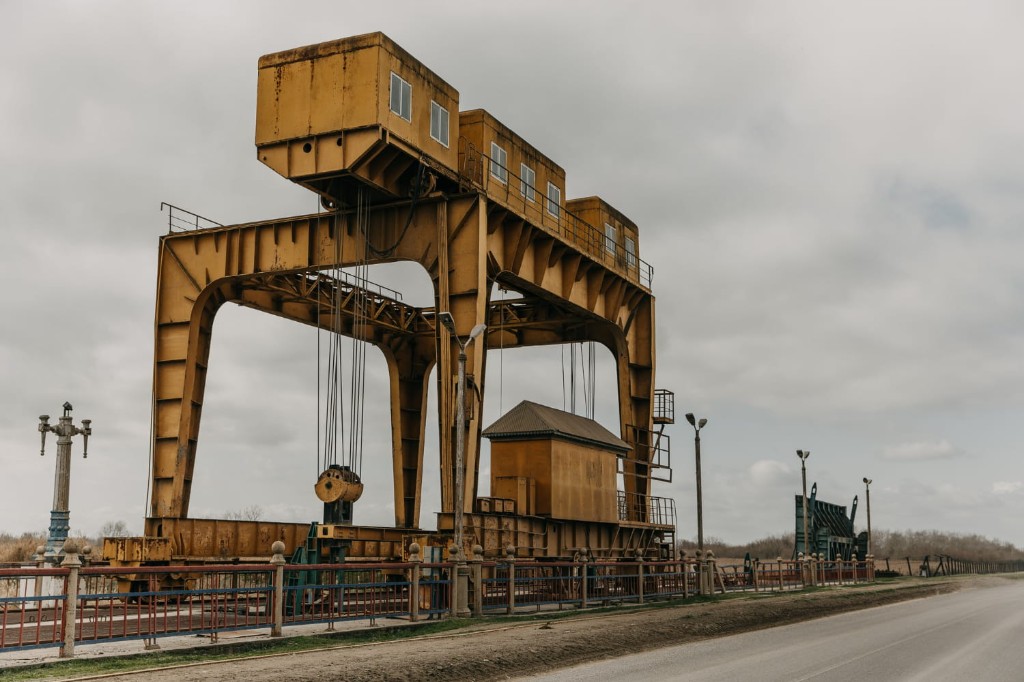
Textile & Garment Exporters
Why now: the sector was notified under CCTS in January 2026, EU buyer scorecards are making RE% a purchase condition, and ToD-heavy tariffs of ₹9.5–11/unit sit on thin export margins.
₹27L/yr reference saving · RE% lifted past buyer audit thresholds
Why now: binding GEI targets are already in force and FY 2026–27 targets ratchet 2–8% tighter. A shortfall becomes a certificate purchase obligation at a market price you don't control; overperformance becomes a tradeable asset.
1 tCO₂ebelow target = 1 Carbon Credit Certificate you can sell
Why now: cleanroom HVAC runs 24×7 at ₹10–12/unit, and a single power excursion can void a batch worth crores. Export ESG questionnaires now ask for the energy mix behind every lot.
₹67L/yr reference saving · zero batch deviations from power excursions
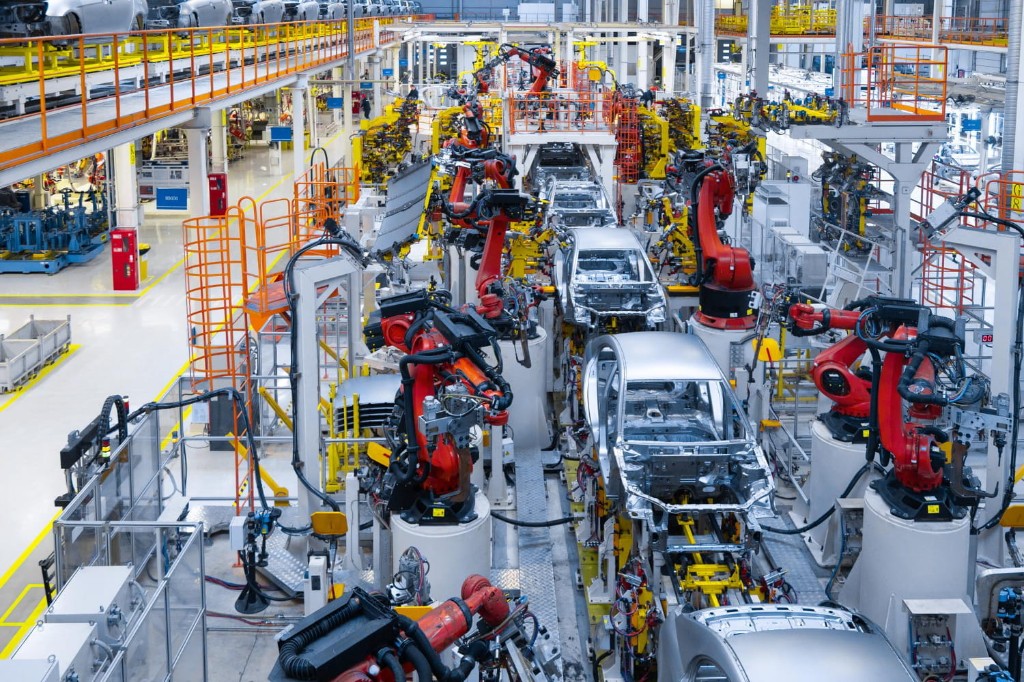
Why now: OEM science-based targets are cascading down from Tier-1 to Tier-3 as supplier scorecards; you pay ₹10+/unit with demand charges, and every line trip breaks a PPAP commitment.
Why now: compressors run 24×7 and one four-hour outage can destroy ₹15–40L of inventory — while every DG hour books Scope-1 emissions and CPCB retrofit exposure.
₹19L/yr reference saving · ₹0 spoilage — compressors never stop
Why now: life-critical loads cannot wait 10–40 seconds for a generator; you pay ₹9.5–11.5/unit and run DG-heavy. ICUs, imaging and vaccine cold chain need ride-through measured in milliseconds.
₹27L/yr reference saving · ICUs & cold-chain ride through every outage
Why now: an enormous 24×7 base load, PUE and RE% that are contractual to your own customers — and an obligation list widely expected to reach data centres in a later tranche. Baselines built before a mandate are cheaper than baselines built under one.
Pre-mandatebaseline — shape your number while it is still yours to shape
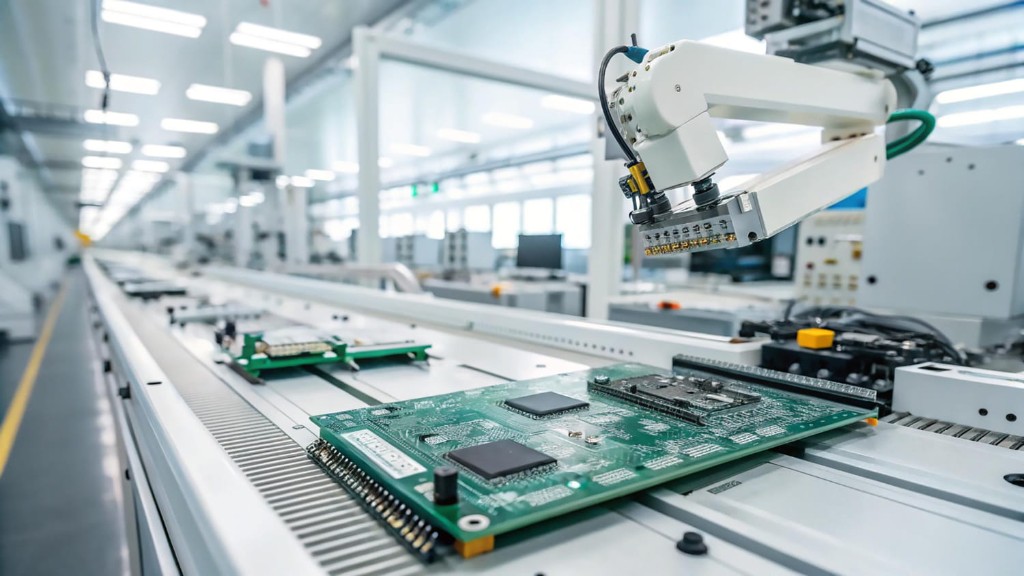
Why now: RE share is being written into contract-manufacturing agreements, and SMT lines are outage-intolerant — a reflow oven doesn't forgive a 10-second dip.
₹26L/yr reference saving · SMT uptime secured, brand RE mandates met
Why now: your peak load lands between 6 and 11 PM — precisely when ToD tariffs top ₹13/unit. Daytime solar charges the stack; the battery carries the evening; the same asset can sell charging to guests.
₹15L/yr reference saving · daytime solar carries the 6–11 PM tariff peak
Why now: refrigeration runs 24×7 across dozens of sites and every site repeats the same bill — so one standardised, replicable kit and one portfolio dashboard fix the whole chain at once.
₹9.5L/site/yr reference saving · one standardized kit, replicated chain-wide
New revenue, not just savingsOMC net-zero · PM E-DRIVE
Fuel Retail Forecourts → EV Hubs
Why now: the canopy already has the roof area and the footfall. A DC-coupled hub runs 480 kW of charging without touching the sanctioned load that powers your pumps — and eligible retail outlets and highway sites can access PM E-DRIVE support for upstream infrastructure.*
₹12–16/kWh gross margin on every solar-served unit sold to an EV
Why now: fleets are electrifying faster than depots can be connected — a new HT connection can take 3–18 months and ₹15–50 lakh of upstream works before the first charge. DC-coupled solar + storage runs on your existing sanctioned load and schedules charging into the cheapest ToD window.
0 kVAincrease in sanctioned load required — the battery buffers every charging spike
STUs · intercity · ports · airports · metro depots
MW-scale overnight energyOff-grid capable
Bus, Transit & Infrastructure Depots
Why now: e-buses arrive on a delivery schedule that rarely waits for the DISCOM's connection timeline. Up to 10 storage cabinets in parallel with 8-hour duration matches an overnight depot window precisely — and the platform runs fully off-grid where the yard has no reliable supply.
≤10 msgrid ↔ battery transfer · off-grid, remote and yard sites become bankable
Why now: you pay ₹9–11/unit on price-sensitive job work with almost no capital headroom, buyers are asking for RE evidence — and you're often below CCTS thresholds today, which is exactly when a baseline is cheapest to build.
₹0upfront under LAVANCHA EaaS™ — no balance sheet required, keep 70% of savings
Industrial campuses · SEZ parks · existing solar owners
Already have solar?ESG target to report against
Industrial Campuses & SEZ Parks
Why now: employee EV adoption and captive shuttle fleets are arriving on campuses that already have a roof full of panels — and an ESG target to report against. Storage, intelligence and charging bolt onto the same roof and the same dashboard.
+5–8%more value from the same hardware once LECOP dispatch runs it
Reference figures are drawn from Lavancha designs and deployments in each sector; every number is confirmed for your site during the free two-week audit. *PM E-DRIVE support generally routes through eligible government bodies, CPSEs and nodal agencies — eligibility is confirmed per site before any commitment.
For associations, export councils & cluster bodies
Host a member briefing that ends with free baselines — not brochures.
Textile, auto-component, pharma and engineering clusters respond to their own association, not to a vendor. Lavancha runs plain-language compliance briefings for member companies — CCTS intensity targets, CBAM, buyer ESG scorecards — and follows every session with no-cost, no-commitment baseline audits for members who want one.
Co-branded briefing for your member list, on your calendar, at no cost to the association
Works alongside BEE-empanelled energy auditors and accredited verifiers — we prepare, they verify
Standardised, replicable kits so cluster units get quotes in days, not weeks
One briefing → many baselinesCluster reputation is the cheapest introduction in Indian industry — we earn it by being useful first.
The platform
LAVANCHA™ — Intelligent Energy. Available 24×7.
Not a catalogue of equipment — an operating system for your energy. Nine offerings, each independently deployable, and every one reports into LAVANCHA Intelligence™, powered by LECOP. Click any offering to open it.
LAVANCHA™Intelligent Energy Available 24×7
Read it as a body, not a bill of materials
One platform. Every layer of your energy stack.
Hardware you can buy anywhere. What you can't buy is the layer that decides — second by second — where each kilowatt-hour comes from, where it goes, and what it's worth. That layer is Lavancha's, it stays Lavancha's however the hardware is financed, and it is what makes each offering worth more when it's added to the others.
LECOP (Lavancha Energy Cost Optimization Platform) and Lavancha Peak Shaving™ are Lavancha's own platform and algorithms; the nine LAVANCHA™ offerings are the market-facing names for what they power.
The nine offerings
Nine offerings. One intelligence. Deploy any — they compound.
Start with the offering that solves this quarter's problem. Every one ships ready to accept the next — from generation to storage to intelligence to charging to compliance.
MNRE-aligned · Solar + BESS EPC · weeks to power-on
LAVANCHA Solar EPC™Solar + BESS EPC · Capex model — you own it, guaranteed <4-yr payback
Built once. Intelligent forever. The fastest way onto the platform.
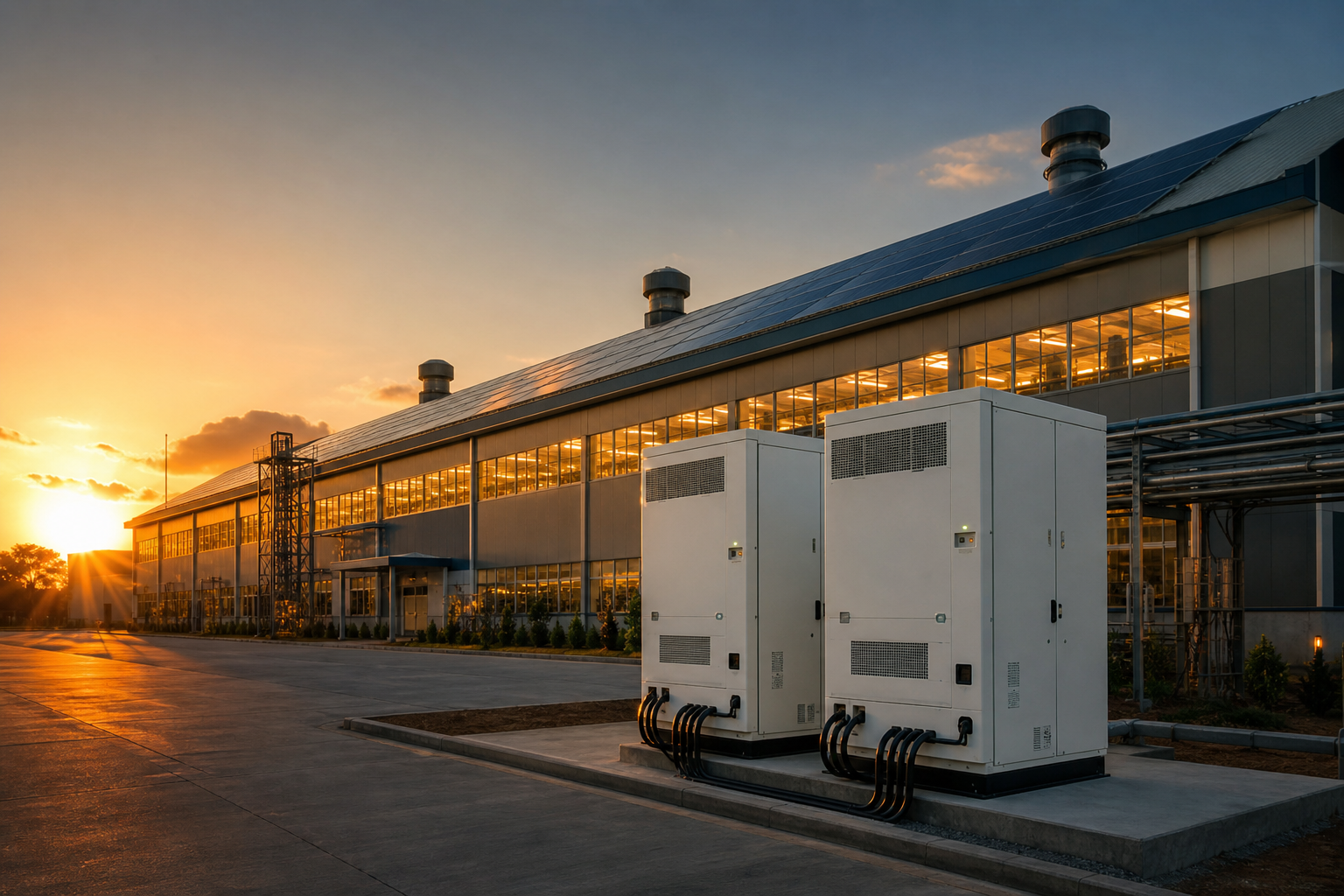
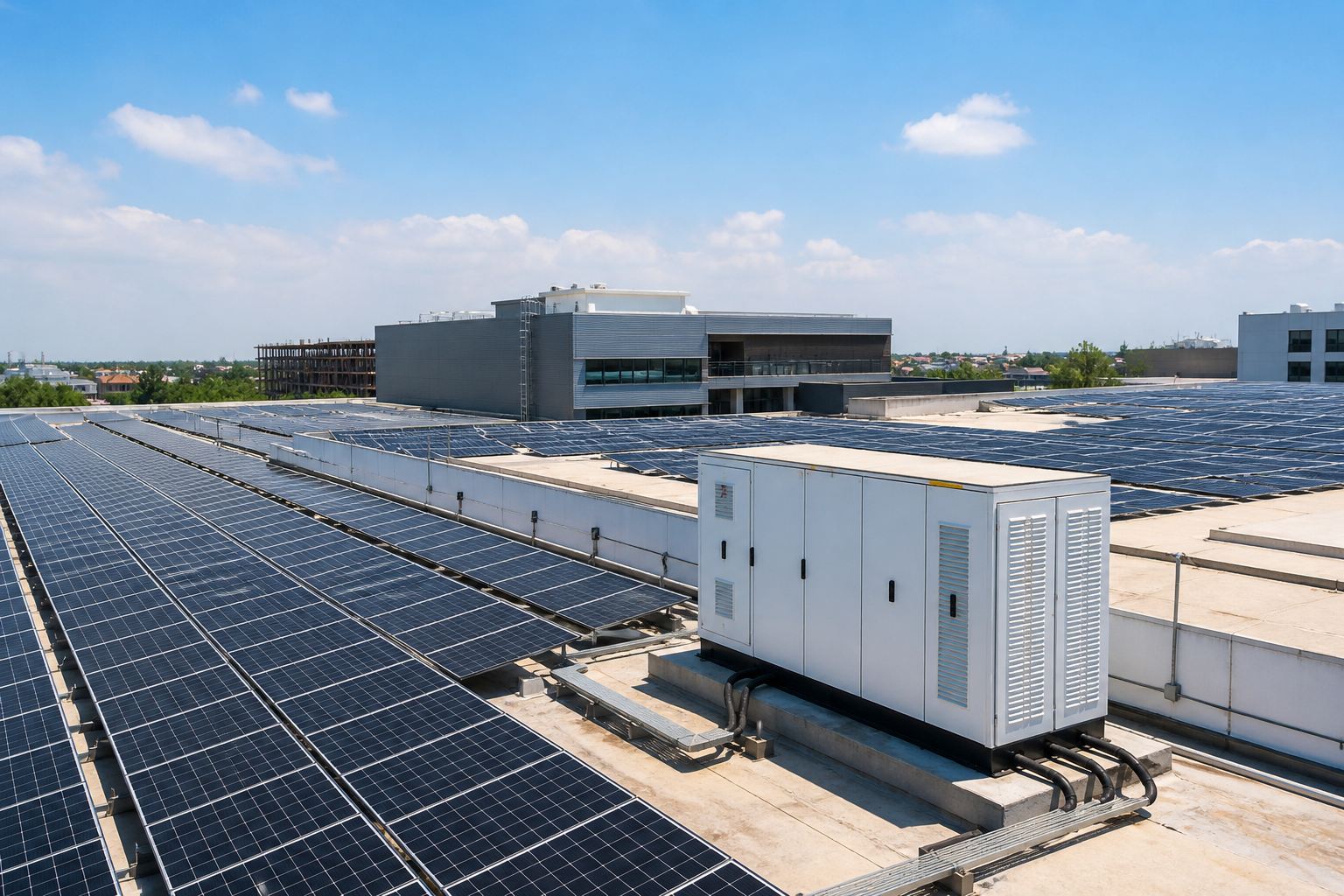
LAVANCHA Solar EPC™ is Lavancha's engineering, procurement and construction offering for rooftop and ground-mount solar — with battery storage designed in from day one, not bolted on later. Sized from your roof and your bill, delivered as pre-integrated racks and cabinets through a state-wise network: a storage system goes live in 2–3 weeks, a full PV + BESS plant inside a quarter, and every install reserves DC-bus, EMS and footprint headroom for whatever you add next.
₹3–4/kWh levelized generation cost — against ₹9–13 grid and ₹25–32 diesel; roof-first sizing capped to your consumption
2–3 week ESS deployment, PV + BESS inside a quarter — 0 transformer upgrades, commissioning measured in days
Expansion-ready by design — DC bus capacity, EMS channels and footprint reserved for BESS™, Intelligence™ and EVFastCharge™; one SCADA pane via Modbus TCP / RS485; CE · IEC 62619 · UL 1973 · UL 9540A · UN38.3
Best forAny C&I roof — textile units, SMEs, campuses, chains and multi-site rollouts where one design is replicated n times; buyers who want to own the asset with a guaranteed sub-4-year payback. No wind resource required — coastal, high-wind sites should look at Hybrid™. Prefer ₹0 upfront? The same build is delivered under LAVANCHA EaaS™.
Solar stops at sunset. Hybrid runs closer to round-the-clock.
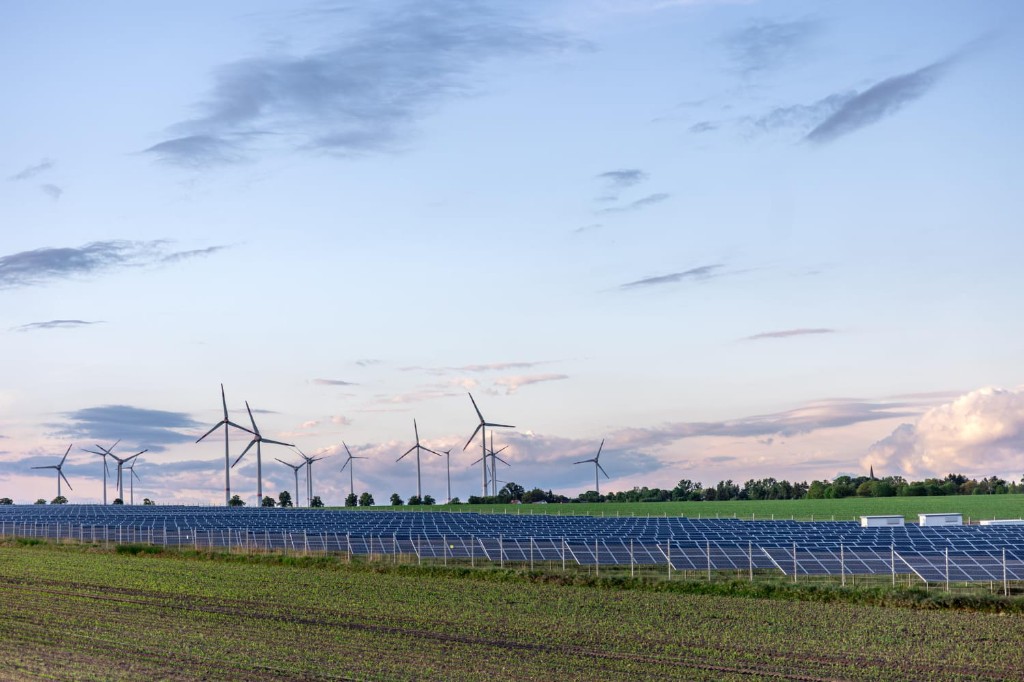
Wind and solar are complementary across India — wind peaks overnight and through monsoon, exactly when solar collapses. For coastal and high-wind-resource sites, Lavancha has engineered solar-wind hybrid systems for 7+ years, on one connection, sized from your site's measured resource.
45–60% combined CUF with storage — vs 17–22% solar-only
Dual RPO fulfilment — hybrid power counts toward solar and non-solar obligations
No new transmission charges when hybridising an existing connection
Best forCoastal Tamil Nadu, Gujarat, Andhra Pradesh and high-wind pockets of Karnataka; heavy industry and data centres that need near-firm 24×7 clean power, not daylight-only solar. Is your site inland with low wind? Start with Solar EPC™.
LAVANCHA BESS™BESS & BMS · diesel generator replacement · Deye Spring Series, run by LECOP
Replace the diesel generator. Keep the ride-through.
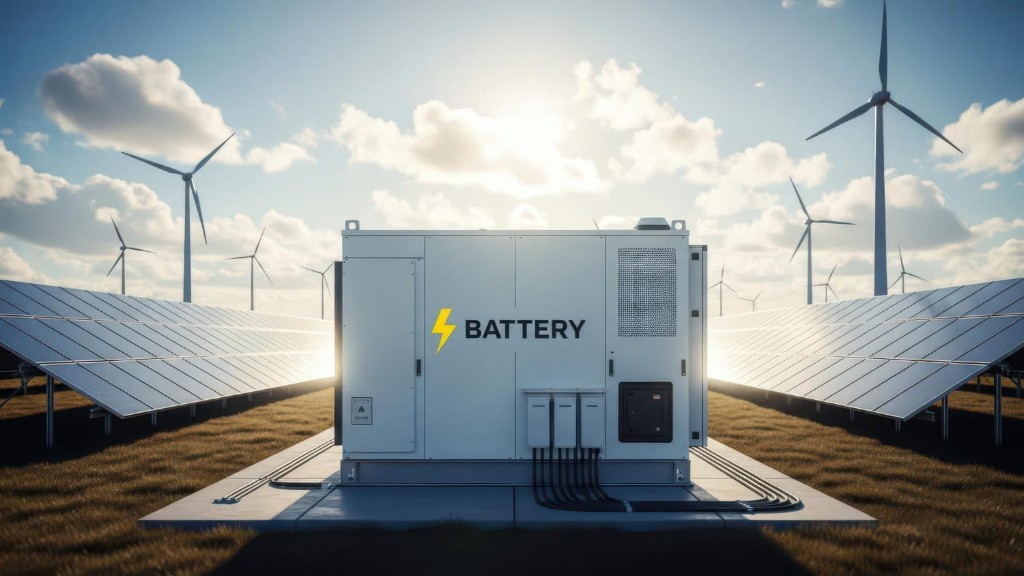
LAVANCHA BESS™ turns variable generation into firm, dispatchable power and demotes your DG to rarely-used insurance: ₹25–32/kWh diesel becomes ₹4–6/kWh stored solar and off-peak grid, with 80–90% of DG runtime eliminated. From 5 kWh wall-mounts to 3.44 MWh clusters — Deye Spring Series LiFePO₄ with an integrated battery management system (cell-level monitoring, SOC balancing, thermal and fault protection), 5-level fire safety, and LECOP dispatch on top.
≤10–20 ms ride-through — machines, cleanrooms and batches never see the outage
2/4/6/8-hour configurations — sized to your ToD windows and backup needs
−20°C to 55°C operation — IEC 62619 · UL 9540A · UN38.3 certified
Best forEvery sector where the evening peak, the DG bill or the outage cost is the real problem — hospitals, cold chains, SMT lines, hotels and malls on ToD peaks. Storage now counts as captive consumption under the Electricity (Amendment) Rules 2026.
LAVANCHA Intelligence™powered by LECOP · EMS / AI / SCADA
The brain behind every decision — and the platform's real moat.
Load forecasting, tariff-aware dispatch, anti-backflow, SOC balancing and anomaly detection run continuously on LECOP — the Lavancha Energy Cost Optimization Platform, trained on seven years of Indian C&I load profiles — squeezing 5–8% more value from the same hardware while writing the measurement trail your auditors need.
Peak-valley arbitrage — charge at ₹4–6 off-peak, discharge into ₹10–13 peaks
Demand control — contract-demand violations predicted and prevented
One-page monthly report — savings vs baseline, CO₂ ledger, board-ready
How it's deliveredIncluded with every LAVANCHA™ system and available as a subscription on existing plants. LECOP is Lavancha-owned and Lavancha-operated — your dashboard, your data and your relationship stay with Lavancha however the hardware behind it is financed.
LAVANCHA Optimize™Time of Day / Time of Use · peak shaving · featuring Lavancha Peak Shaving™
Your bill is driven by peaks. We flatten them before they happen.
Lavancha Peak Shaving™ predicts your demand 60–90 minutes ahead — learning load patterns, weather, production schedules and tariff windows — then orchestrates solar + battery discharge to keep recorded demand below the line.
30–50% demand-charge reduction — vs 15–25% with static dispatch
Learns your facility in ~90 days — accuracy compounds every billing cycle
ToD + demand + backup — one battery, three revenue streams
solarbattery SOCbattery discharge into peakToD peak band
Best forMulti-shift manufacturing and auto-component plants with demand charges; hotels, malls and banquets whose peak lands 6–11 PM; any site in a state where same-slot banking rules made unstored daytime solar worth less at night.
LAVANCHA EVFastCharge™Solar DC-to-DC EV fast charging + BESS
Sell electricity at ₹20. Generate it at ₹4. And skip the grid queue.
Solar, 430 kWh liquid-cooled storage and 480 kW fast charging on a single DC bus — panel → MPPT → battery → charger → vehicle, without ever becoming AC. No wasteful conversions, no transformer upgrade: the battery buffers charging spikes so your sanctioned load stays untouched, and the grid is a top-up source, not the primary supply.
₹12–16/kWh gross margin on every solar-served unit sold to an EV — plus peak shaving, DG displacement and ToD arbitrage on the same battery
180 kW per gun (CCS2) — up to 8 guns, ≥97.5% conversion efficiency at full load
0 kVA added to sanctioned load — no 3–18 month HT connection wait; ≤10 ms transfer; runs fully off-grid on highways, islands and depots
Best forFuel forecourts and highway plazas, fleet and q-commerce depots, bus and transit yards, malls and hotels, dealer networks, and campuses that already run Lavancha solar. Sold as an EV hub build or under LAVANCHA EaaS™ with ₹0 upfront.
LAVANCHA EaaS™Energy-as-a-Service · Solar + BESS on lease · Opex model
Energy that just works. Always on.
Solar + BESS on lease — an Opex line, not a Capex approval. Don't buy solar at ₹/Wp; buy a guaranteed ₹/kWh. Under LAVANCHA EaaS™ Lavancha funds 100% of the system; you are cash-positive from month one and keep 70% of every verified rupee saved, we collect the remaining 30% monthly across a 7–10 year term, and the asset is yours after. Prefer a tariff? An on-site RESCO/PPA prices your power per kWh over 15–25 years. Where the roof isn't enough, group-captive and open-access structures bring off-site renewable power to the same dashboard.
₹0 CapEx, ever — diesel elimination and ToD savings from month one; 3-month risk-free pilot
Verified, not estimated — the same continuous circuit-level metering built for CCTS/BRSR reporting is what measures your savings
Your relationship stays with Lavancha — however the asset is financed, your contract, your dashboard and your compliance reporting are Lavancha's, not a fund's
Best forSMEs and cluster units with no capital headroom; chains that want one replicable ₹/kWh across sites; any CFO who would rather sign for a guaranteed cost per unit and a guaranteed tCO₂e than for equipment.
LAVANCHA Care™O&M · predictive maintenance · field response
We don't disappear after commissioning.
Deye Cloud telemetry plus the LECOP layer, watched around the clock by Lavancha's remote operations centre — every string, rack and gun visible in real time, anomalies flagged before they cost you, and a dedicated Energy Success Manager who knows your site by name.
24×7 cloud monitoring — proactive anomaly alerts before failures cost you
One-page monthly report — savings vs baseline, CO₂ avoided, uptime — formatted for the CFO, not the control room
Annual compliance-season service — the audit-grade data trail is ready when the filing window opens
How it's deliveredIncluded in every LAVANCHA EaaS™ contract; available as an O&M / AMC agreement on owned systems and on plants Lavancha didn't build. Care™ is a Lavancha-operated service line — not a pass-through of somebody else's maintenance.
LAVANCHA Comply™BRSR Core · CBAM embedded-emissions · RE100 data · CCTS Form A
India put a price on your emissions. We move the number.
Under the Carbon Credit Trading Scheme, GHG-intensity targets are statutory for ~490 obligated entities across the notified sectors. Every Lavancha system ships with continuous, circuit-level measurement your accredited verifier can actually sign off — and Comply™ turns that spine into the Form A, BRSR Core, CBAM and buyer-scorecard packs you file.
Form A-ready exports — plus BRSR Core, CBAM embedded-emissions and RE100 data
Measured, not modelled — a live CO₂ ledger from real meter data; we prepare, your ACVA verifies
Beat your GEI target — surplus becomes sellable Carbon Credit Certificates instead of a purchase obligation
Best forCCTS-obligated entities and PAT designated consumers; CBAM-exposed exporters; textile, auto and electronics suppliers under buyer or OEM ESG audits; data centres shaping a pre-mandate baseline. Lavancha is an energy solutions provider, not an accredited carbon verification agency.
Four taps. No form, no email. You get the LAVANCHA™ offerings that fit, the configuration we'd propose, and an indicative number — then the free audit turns it into a guaranteed design.
01 · What hurts most right now? ✓
Pick the pressure you're under
02 · Your site ✓
Roof, land and wind
03 · Buy or lease? ✓
How do you want to pay
04 · Monthly electricity bill ✓
Roughly, per month
Your configuration appears here.Answer the four questions on the left — takes about 30 seconds.
Choose Your Starting Point
Three configurations. One expandable platform.
Prefer a bundle to a configurator? Shop by configuration. Every configuration ships with expansion headroom — DC bus capacity, EMS channels and footprint reserved — so today's phase becomes tomorrow's foundation.
CONFIGURATION 01
ESS Only
Battery storage + LECOP scheduling. Charge at cheap off-peak rates, discharge through expensive peak windows, and get instant backup on outage. Ideal when roof space is limited or solar comes later.
BESS™Intelligence™Optimize™
2–3 week installPeak shavingInstant backup
Best forRetail, clinics & offices in ToD tariff zones needing fast wins.
Most Popular
CONFIGURATION 02
PV + ESS
Solar generation + battery storage + AI dispatch, fully integrated. Solar powers your day; the battery carries evening peaks and outages. 30%+ total energy savings with grid dependency slashed.
Solar EPC™ orHybrid™BESS™Intelligence™
30%+ savings<4-yr paybackEnergy independence
Best forHotels, supermarkets, hospitals, warehouses, textile units & small factories.
CONFIGURATION 03
PV + ESS + DG Hybrid
Solar-first operation with your existing diesel generator demoted to last resort. Independent power paths for grid, DG and load with ≤10–20 ms seamless transfer — the DG runs 80–90% less.
Deye Spring Series and MC-L Series hardware, engineered and built under LAVANCHA Solar EPC™ and AI-optimized by LECOP. LiFePO₄ chemistry · ≥6,000 cycles · 10-year warranty on key models. Each card shows the LAVANCHA offering it belongs to.
BOS-WBESS™
Zero footprint. Full backup.
Wall-mounted modules that vanish into a service corridor — the fastest path to peak shaving for small sites.
Capacity5.12 kWh/module, parallel
FormWall-mounted
Ideal forPetrol pumps · retail · clinics
GB-WBESS™
Stack it as you grow.
A stacked cabinet that scales 5→16 modules in place. Fund Phase 1 now; add capacity when the next budget lands.
Capacity60 – 192.5 kWh
PCS pairing30 – 125 kW
Ideal forHotels · supermarkets · schools
BOS-ABESS™
<10 ms. Lines never blink.
Compact 3U racks with switching so fast your SMT lines, printers and packers simply don't notice the grid left.
Capacity54 – 161 kWh
Switchover<10 ms on/off-grid
Ideal forFactories · printing · packaging
BOS-B ProBESS™
The 24×7 workhorse.
HV rack clusters with independent grid / diesel / load paths — built for facilities where downtime is measured in lakhs.
Capacity214 – 257 kWh → 3.44 MWh
Transfer≤20 ms STS
Ideal forCold storage · hospitals · pharma · 24×7
MC-L Series · MC-LC430 · MS-DC480EVFastCharge™
430 kWh. Liquid-cooled. DC-coupled.
Outdoor IP54 cabinets with aerosol + water fire suppression, a 480 kW DC charge power cabinet and split-type 180 kW/gun terminals. Stack ×10 for a 4.3 MWh solar-charged EV hub.
Capacity430 kWh/cabinet, ×10
Charging480 kW DC · 8 guns · CCS2
Ideal forEV hubs · fleet depots · highways
MS-EMS + LECOPIntelligence™
The brain of the plant.
Peak-valley arbitrage, demand control, anti-backflow, SOC balancing and load forecasting — plus the compliance data spine that Comply™ reports from.
ProtocolsModbus TCP · RS485 · CAN
Monitoring24×7 cloud + alerts
ReportingCCTS · BRSR · board pack
All systems: CE / IEC 62619 / UL 1973 / UL 9540A / UN38.3 · −20°C to 55°C operation · Specifications per Deye published datasheets.
Why Industry Chooses Lavancha
Real advantages, measured in your currency.
Engineered for the strictest EHS sign-off.
LiFePO₄ chemistry — the stable one — wrapped in five independent layers of fire protection, certified to the standards your insurer and fire officer actually check.
5-level fire safety chain
Detection → early warning → smoke exhaust → aerosol + water suppression → explosion venting.
≥6,000 cycle LFP cells
Proven chemistry rated −20°C to 55°C, with 10-year warranty on key models.
IP54 outdoor build
Liquid-cooled MC-Series cabinets run quietly outside — no precious floor space consumed.
0 diesel hazards added
As DG runtime falls 80–90%, fuel storage and fume exposure leave your risk register.
Lavancha systems don't just cut a bill — they stack peak shaving, tariff arbitrage, diesel elimination and new EV revenue on the same asset.
30–50% demand-charge cut
Lavancha Peak Shaving™ predicts peaks 60–90 min ahead and flattens them automatically.
₹25→₹4-6 backup economics
Diesel's ₹25–32/kWh all-in cost replaced by solar-charged storage at a fraction.
₹12–16 EV margin per kWh
Public DC fast-charging retails ₹18–24; your solar generates at ₹3–4. The spread is yours.
1 tCO₂e = 1 certificate
Beat your CCTS GEI target and overperformance becomes a tradeable asset, not a cost.
Weeks to power-on. Modular forever after.
Plug-and-play architecture means an ESS goes live in 2–3 weeks and a full PV+ESS system inside a quarter — without a transformer or sanctioned-load upgrade.
2–3 wk ESS deployment
Standardized racks and cabinets arrive pre-integrated; commissioning is measured in days.
0 transformer upgrades
The battery buffers spikes, so 480 kW of EV charging can run on existing sanctioned load.
+∞ expansion path
DC bus capacity, EMS channels and footprint reserved — add modules, guns or sites anytime.
1 SCADA pane
Modbus TCP / RS485 integration drops straight into your existing plant systems.
Someone is always watching your kilowatts. It's us.
Deye Cloud telemetry plus the LECOP layer — monitoring, optimizing and documenting around the clock, then reporting in the language of your boardroom.
24×7 cloud monitoring
Every string, rack and gun visible in real time — with anomaly alerts before failures cost you.
+5–8% AI optimization
Continuous forecasting and dispatch tuning extracts more value from identical hardware.
1 page monthly report
Savings vs baseline, CO₂ avoided, uptime — formatted for the CFO, not the control room.
Audit-grade data trail
Continuous meter data your ACVA can verify — the difference between claimed and proven.
The Diesel Generator Trap
Every DG hour costs you 3× grid rates — and your EHS head knows it.
Run a diesel generator even 40–80 hours a month and you're buying India's most expensive electricity, while booking Scope-1 emissions your sustainability team has to explain away — and a CPCB retrofit bill your CFO hasn't budgeted.
VS
⛽ Your Diesel Generator
₹25–32
per kWh · all-in cost
✗Diesel at ₹90+/litre yields only 3–3.5 kWh per litre
✗Maintenance, AMC and oil add ₹2–4/kWh on top
✗10–40 s switchover gap — machines trip, batches ruined
✗Scope-1 emissions on your BRSR report, every litre
✗CPCB IV+ norms, retrofit emission-control mandates, CAQM restrictions — ₹5–15 lakh per set to keep running
🔋 LAVANCHA Solar EPC™ + BESS™
₹4–6
per kWh · blended lifetime cost
✓Solar generation at ₹3–4/kWh levelized cost
✓Battery stores solar + cheap off-peak grid power
✓≤10–20 ms seamless switchover — loads never notice
✓Zero-emission backup: Scope-1 line drives toward nil
✓LFP chemistry · ≥6,000 cycles · 5-level fire safety
Real example: a facility running a 62 kVA DG for 60 hours/month at 40 kW average load burns ~₹6.7L/year in diesel and maintenance — and books ~26 tonnes of Scope-1 CO₂. Lavancha's solar-first BESS design typically eliminates 80–90% of that runtime, keeping the DG only as rarely-used third-layer insurance. One line item, two wins: the CFO sees the savings, the ESG head sees the emissions drop. Spend the retrofit money on the asset that replaces the generator instead.
LAVANCHA Comply™ · CCTS · BEE · BRSR · CBAM
India put a price on emissions. We put assets behind your number.
Statutory GHG-intensity targets now bind ~490 obligated entities across the notified sectors. Lavancha builds the physical systems that move your GEI — and the audit-grade measurement trail that proves it.
STEP 01 · MEASURE
Baseline & sub-metering
Gate-to-gate Scope 1 + 2 measurement at circuit level, mapped to BEE's calculation pro forma — instrumented for what your ACVA will ask to see.
STEP 02 · REDUCE
Asset stack deployment
Solar or wind-solar hybrid, BESS and LECOP dispatch cut grid draw and eliminate diesel — the two levers that actually move tCO₂e per unit of output.
STEP 03 · VERIFY
Audit-grade data trail
Continuous meter data, not annual estimates. Export packs aligned to Form A, BRSR Core, CBAM embedded-emissions and RE100 claims.
STEP 04 · MONETISE
Certificate position
Overperformance against your GEI target becomes issuable Carbon Credit Certificates — a tradeable asset instead of a compliance cost.
The urgency clock — eight dated triggers your board is already on.
None of these is a forecast. Each is a live, dated obligation or window — and the pitch is not "consider renewables"; it's that your next filing is already being determined by the equipment running today.
Now — every quarter counts
CCTS compliance is live
Roughly 490 obligated entities across the notified sectors carry legally binding GHG-intensity targets for FY 2025–26 and FY 2026–27. Cycle 1 filings closed 31 July 2026; FY 2026–27 targets ratchet 2–8% tighter.
"Your FY 2026–27 intensity is being set by the plant you're running right now. Assets commissioned this quarter still move the annual average."
H2 2026 — market opens
Carbon certificates become tradeable
Carbon Credit Certificate trading is expected to open on India's power exchanges within months of the first compliance cycle — turning overperformance into a saleable asset and underperformance into a purchase obligation at a price you don't control.
"Every tonne below target is an asset. Every tonne above is a cheque to a competitor. Which side you're on is decided by what's running in your plant."
Live since 1 Jan 2026
CBAM bites EU exporters
EU importers now carry financial obligations on embedded emissions in covered goods — steel, aluminium, cement, fertiliser — making an Indian exporter's carbon intensity a direct line item in its European price competitiveness.
"Your EU buyer is now paying for your emissions. Cut the intensity or lose the order to someone who did."
From 1 Apr 2026
Storage now counts as captive
The Electricity (Amendment) Rules, 2026 resolved the ambiguity over whether power drawn via a battery still qualifies as captive consumption — giving solar-plus-storage and wind-plus-storage a clean statutory footing and materially improving bankability.
"The regulatory risk that made your board defer storage last year has been removed. The economics case now stands alone."
Through Jun 2028
Storage ISTS waiver window
Battery storage co-located with renewable generation can access a 100% ISTS charge waiver where commissioned inside the notified window and charged predominantly from renewables — while the general solar/wind waiver steps down toward full charges by 2028.
"This window is closing on a published schedule. Commissioning later costs more for the same asset — permanently."
Ongoing enforcement
Diesel generators under siege
CPCB IV+ norms, mandatory retrofit emission-control devices for in-use DG sets and CAQM restrictions in pollution-sensitive regions have turned backup diesel into a compliance liability — with retrofit or dual-fuel conversion itself costing lakhs per set.
"You're about to spend ₹5–15 lakh retrofitting a generator that costs ₹28/kWh to run. Spend it on the asset that replaces it instead."
State-by-state, continuous
Tariffs, ToD & open-access economics tighten
C&I tariffs of ₹9–13/kWh, sharpening time-of-day differentials and state-level changes to banking and open-access rules keep repricing industrial power — with same-slot banking restrictions in some states directly penalising unstored daytime solar.
"Banking rules just made your daytime solar worth less at night. Storage is now the only way to keep that unit."
Next tranche expected
The obligation list is expanding
Aviation, ports, railways and data centres are widely expected in later CCTS tranches, and PAT's own history was one of expansion cycle after cycle — building the measurement foundation ahead of a mandate is materially cheaper than building it under one.
"You're not obligated yet. That's exactly why your baseline is still yours to shape."
⏳
Cycle 1 closed 31 July 2026. Cycle 2 data collection is live now.
Your FY 2026–27 GHG intensity is being determined by the equipment running in your plant today. Assets commissioned in Q3–Q4 still shift the annual average — every quarter you wait locks more high-carbon baseline into your next Form A submission.
CCTS GEI target supportBRSR Core-ready reportingBEE / PAT Designated Consumer supportMNRE Hybrid Policy alignedCBAM export data readinessRE100 supplier eligibilitySBTi pathway dataIGBC / LEED credit support
Regulatory positions summarised from public sources as at August 2026; sector notifications, thresholds and waiver schedules evolve, and Lavancha confirms each client's current obligation status during the audit. Lavancha is an energy solutions provider, not an accredited carbon verification agency — we prepare the measured record; your ACVA verifies it.
Your 2026–2030 Pathway
A pathway, not a purchase.
Every phase you fund becomes infrastructure for the next — DC bus capacity, EMS channels and footprint reserved so nothing gets ripped out on the way to 2030.
☀️
FOUNDATION
Generation
Rooftop solar — or solar + wind on one connection for coastal sites — sized from measured site resource.
Forecasting, arbitrage and anomaly detection — your CCTS measurement spine — and DC fast charging on the same bus.
Intelligence™Comply™EVFastCharge™
+5–8% optimization
💧
2028–2030
Hydrogen-Ready Microgrid
Surplus renewables feed on-site electrolysis — architecture specified for it today.
Hybrid™Care™
Hard-to-abate optionality
Commercial Models
Two ways to start. Both risk-free. One needs no capital at all.
Pay nothing upfront and share the savings under LAVANCHA EaaS™, or own the system with a guaranteed sub-4-year payback. Either way, the diesel bill goes away and the compliance reports write themselves.
STEP 01
Lavancha funds 100% of the system
Design, hardware, EPC and commissioning — paid in full by Lavancha before a single rupee of savings exists.
STEP 02
You are cash-positive from month one
Your diesel and grid bill drops immediately. You keep 70% of the savings from day one — zero capital, zero risk, zero delay.
STEP 03
Lavancha collects its 30% monthly
A contracted, verified-savings share for the 7–10 year term — measured by the same circuit-level metering that runs your compliance reporting.
STEP 04
The asset is yours after the term
You own the system outright — with Intelligence™ (LECOP), Care™ and Comply™ continuing on subscription if you want them to.
Lead offer · ₹0 upfront · Opex
LAVANCHA EaaS™ Solar + BESS on lease · Opex
₹0 upfront
We invest. You keep 70% of every rupee saved.
No capital expenditure — ever
Diesel elimination and ToD savings from month one
Comply™ reporting (BRSR / PAT / ESG) included
Care™ 24×7 monitoring + maintenance included
3-month risk-free pilot included
You own the asset after the 7–10 year term · RESCO/PPA (₹/kWh, 15–25 yr) also available
Backed by asset-backed, contracted project financing built for institutional-grade returns — so a 7–10-year promise is one Lavancha can keep. However the asset behind your system is financed, your contract, your data and your dashboard stay with Lavancha — not with a fund.
LAVANCHA Solar EPC™ CapEx Purchase
₹18L – ₹1.2Cr one-time
Own it — Solar + BESS EPC with a guaranteed <4-year payback, in writing.
Sized 25–430 kWh for small & mid C&I
10-yr warranty hardware · ≥6,000-cycle LFP
LAVANCHA Intelligence™ (LECOP) included 3 years
Accelerated depreciation + subsidy assistance
Modular — add BESS™, Intelligence™ or EVFastCharge™ guns anytime
Smooth rooftop solar + BESS delivery for our textile unit. Payback modelling matched the first quarter bills — team stayed responsive through commissioning.
Google Business Profile
Straight answers
The questions your CFO, CSO and Plant Head will ask.
Is the sub-4-year payback really guaranteed?+
Yes — in writing. Every Lavancha CapEx design carries a contractual payback guarantee under the contract's performance terms, and Zero-CapEx deals start with a 3-month risk-free pilot. The guarantee is only offerable by a party that can predict and control performance, which is exactly what LECOP's forecasting and Lavancha's remote operations exist to do.
What exactly is LAVANCHA EaaS™ — and what does "Zero-CapEx" mean?+
Lavancha funds 100% of the system upfront. Your bill drops from month one and you keep 70% of the verified savings; Lavancha collects the remaining 30% monthly over a 7–10 year term. Savings are measured by the same continuous, circuit-level metering that runs your compliance reporting — verified, not estimated. Prefer a tariff? An on-site RESCO/PPA prices your power per kWh over 15–25 years instead.
Who owns the asset — and what happens after the term?+
Under LAVANCHA EaaS™ the asset is yours after the contract term. However the hardware behind your system is financed, your contract, your data, your dashboard and your compliance relationship stay with Lavancha — LECOP and Care™ are Lavancha-operated service lines, not part of the financed hardware.
Does power drawn through a battery still count as captive consumption?+
Yes — the Electricity (Amendment) Rules, 2026, effective 1 April 2026, resolved that ambiguity, giving solar-plus-storage and wind-plus-storage a clean statutory footing. Lavancha confirms the treatment for your specific connection and state during the audit.
Do I need a transformer upgrade or a new HT connection for DC fast EV charging?+
No. On the DC-coupled MC-L architecture the 430 kWh battery sits between the grid and the guns and absorbs the charging spikes, so 0 kVA is added to your sanctioned load — no transformer upgrade, no 3–18 month HT connection wait, and the hub can run fully off-grid where the supply is weak.
Are lithium batteries safe on an industrial or fuel-retail site?+
Lavancha deploys LiFePO₄ — the stable chemistry — wrapped in a 5-level fire protection chain (detection → early warning → smoke exhaust → aerosol + water suppression → explosion venting), certified to CE / IEC 62619 / UL 1973 / UL 9540A / UN38.3, in IP54 outdoor cabinets rated −20°C to 55°C. It is usually the first question an EHS head asks and the fastest one to close.
My site is inland with little wind — is LAVANCHA Hybrid™ for me?+
Probably not, and that's fine: Hybrid™ is engineered for coastal and high-wind-resource sites where wind fills the overnight and monsoon gaps solar leaves. Inland sites start with LAVANCHA Solar EPC™ and add BESS™ — the same platform, sized to the resource you actually have.
Can Lavancha verify my CCTS or BRSR filing?+
No — and you wouldn't want your vendor to. Lavancha is an energy solutions provider, not an accredited carbon verification agency. We build the assets that move your GEI and the measured, audit-grade record your accredited verifier signs off; we prepare, they verify.
What is LECOP, and how is it different from LAVANCHA Intelligence™?+
LECOP — the Lavancha Energy Cost Optimization Platform — is Lavancha's own software: forecasting, tariff-aware dispatch, peak prediction and the compliance data spine, trained on seven years of Indian C&I load profiles. LAVANCHA Intelligence™ is the market-facing module name for what LECOP powers on your site. Lavancha Peak Shaving™ is the algorithm family inside LAVANCHA Optimize™.
Is LAVANCHA Solar EPC™ just rooftop solar — and how fast can it be live?+
No — LAVANCHA Solar EPC™ is Lavancha's Solar + BESS EPC offering: engineering, procurement and construction of rooftop or ground-mount solar with battery storage designed in from day one. A storage-only system goes live in 2–3 weeks; a full PV + BESS plant inside a quarter. Standardised racks and cabinets arrive pre-integrated, and every install reserves DC-bus, EMS and footprint headroom so the next offering never means a rebuild.
Resources & Support
Everything your evaluation needs.
📋
Free Energy & Carbon Audit
Two weeks, no cost. Your baseline, GHG position, phased LAVANCHA™ design and payback projection in one document — costed on both commercial paths (Capex and Opex).
Fifteen sectors, real systems, real payback numbers — from 40 kWh retail kits to megawatt-hour depots and EV hubs. Filter by the pressure you're under.
Skip the sales layer. Discuss your load profile, DG runtime, roof and charging plans directly with our design team — or ask us to brief your association's members.
One free audit. Your 2030 pathway, costed — on both commercial paths.
Two weeks, no cost, no commitment. You receive your energy baseline, GHG-intensity position, a phased LAVANCHA™ design, payback projection and a costed roadmap — one document your CFO, CSO, Energy Manager and Plant Head can all work from.
LAVANCHA AssistantSector FAQs · nine LAVANCHA™ offerings · ₹0-upfront (EaaS) · compliance dates AI · grounded
I'm in:
Answers are grounded in Lavancha's published offerings, reference deployments and the regulatory calendar as at Aug 2026. Commercial terms are confirmed in your free audit. Please don't share confidential data here.
We use essential cookies and, with your consent, analytics cookies to improve the site. See our Privacy Policy. You can change your mind anytime.

 Tiruppur · Surat · Ludhiana · Coimbatore